

About us
VISION
A just and fair society that accords every person a life of dignity.
Our Mission
To advocate for equal social and economic rights and opportunities through legal advocacy, capacity building and community empowerment in Uganda, through quality pro bono legal representation, legal education and advocating for the highest attainable standard of physical, mental and social well-being.
Motto
Assuring Social Justice, Transforming Lives.
Objectives
To promote, ensure and facilitate access to justice for indigent, vulnerable, and marginalized individuals and communities through the provision of high-quality, free, or low-cost legal services, representation, and advocacy.
To promote alternative dispute resolution (ADR); to provide facilities for, and to manage, arbitration, mediation and conciliation services; to draft and adopt rules for ADR processes; to train and empanel skilled mediators and arbitrators; to publish reports, journals, and books on conflict management.
Promote and make full use of existing policies, laws and procedures to address violations of the right to health, participate in community education, awareness-raising and mobilizing public opinion.
Build capacities of the targeted communities in identification, production, financing and marketing of potential agricultural and non-agricultural products, including micro-enterprises.
Community legal empowerment
• Conducting workshops in community centers, schools, or workplaces on topics such as land rights, tenant-landlord disputes, and women's inheritance rights.
• TV and Radio Talks: Using local TV and radio programs or dramas to educate community members on their rights and available legal resources.
• Community Paralegal Training: Training local community members as paralegals to provide legal advice, education, and mediation services to their neighbors.
legal aid services
Provide legal aid services to juveniles, indigent litigants and accused persons:
• Legal Counseling and Advice: Advising clients on family law (divorce, custody), housing disputes, land disputes, employment issues, and criminal charges.
• Representation: Providing lawyers or paralegals to represent indigent clients in civil or criminal cases at police stations, courts, and tribunals.
• Paralegal Support: Using trained non-lawyers to conduct community outreach, conduct case intake, and assist with bail applications for detained persons.
• Documentation: Drafting legal documents, including affidavits, wills, power of attorney, and tenancy agreements.
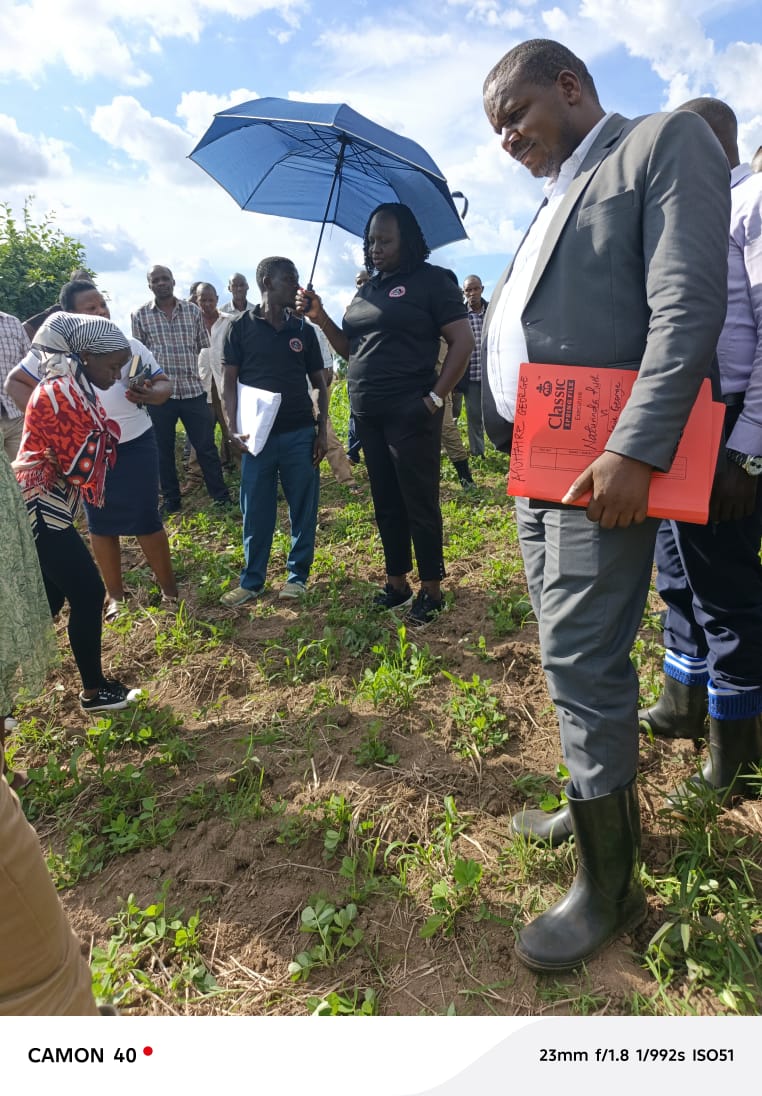
• Mobile Clinics: Operating mobile legal aid clinics to provide services in rural or underserved areas, such as remote prison facilities.
Alternative Dispute Resolution
(a) Mediation
• Facilitated Negotiation: A neutral third-party mediator assists disputants in communicating and negotiating to reach a mutually acceptable agreement.
• Court-Annexed Mediation: Referrals from courts to resolve commercial or civil disputes before a trial proceeds, helping to reduce case backlog.
• Family and Matrimonial Mediation: Assisting parties in resolving divorce, child custody, or inheritance disputes in a less confrontational manner.
(b) Arbitration
• Binding Arbitration: A neutral arbitrator (or panel) hears evidence from both sides and issues a binding decision (award), often used in commercial contracts.
• Specialized Arbitration: Using experts in specific fields (e.g., construction, maritime, or intellectual property) to act as arbitrators to resolve technical disputes.
• International Commercial Arbitration: Resolving disputes between companies located in different countries.
(c) Conciliation
• Structured Settlement Assistance: A conciliator takes a more active role than a mediator, suggesting potential settlement proposals to the parties, though the decision remains voluntary.
• Pre-litigation Conciliation: Encouraging parties to sit together to resolve conflicts before initiating formal legal action.
(d) Restorative Justice:
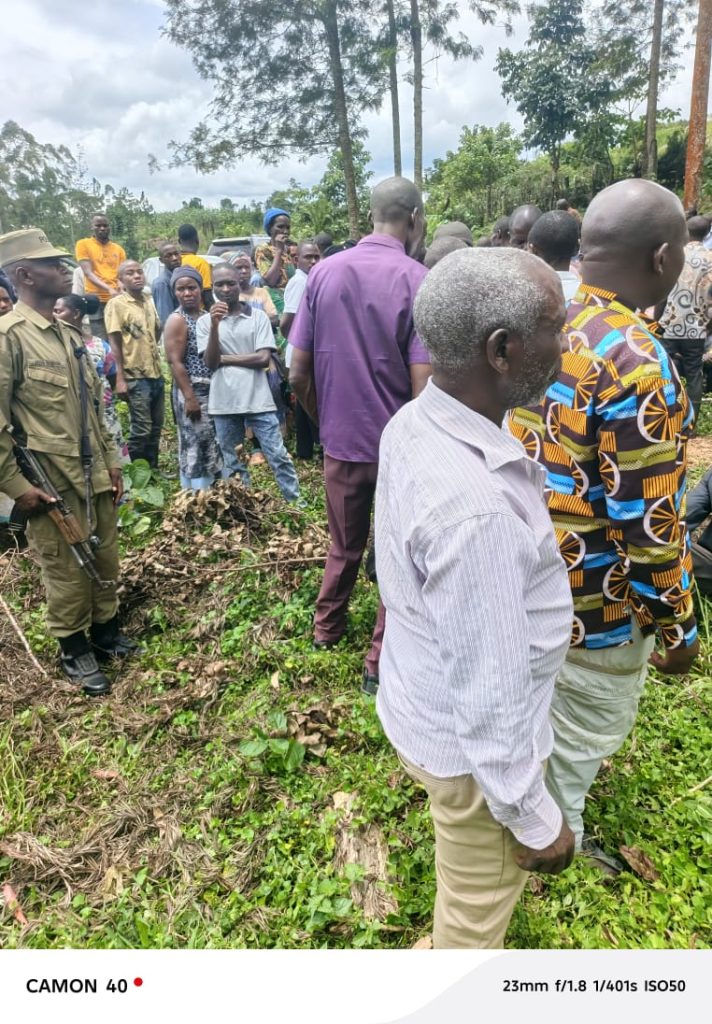
• Community-based meetings focused on repairing harm and restoring relationships, rather than just punishment, often involving victims, offenders, and community members.
• Restorative Justice Workshops: Conducting education on Alternative Justice Systems to local stakeholders.
Advocacy for environmental policy
In a country like Uganda, environmental advocacy can be very practical and community-driven. Issues like plastic pollution, wetland encroachment, poor drainage, and air pollution directly affect people’s daily lives. Advocacy here might involve:
-Engaging local leaders to enforce environmental laws.
-Mobilizing communities for clean-up campaigns
-Educating citizens about sustainable practices
-Partnering with NGOs to protect ecosystems

Our secretariat
Our secretariat
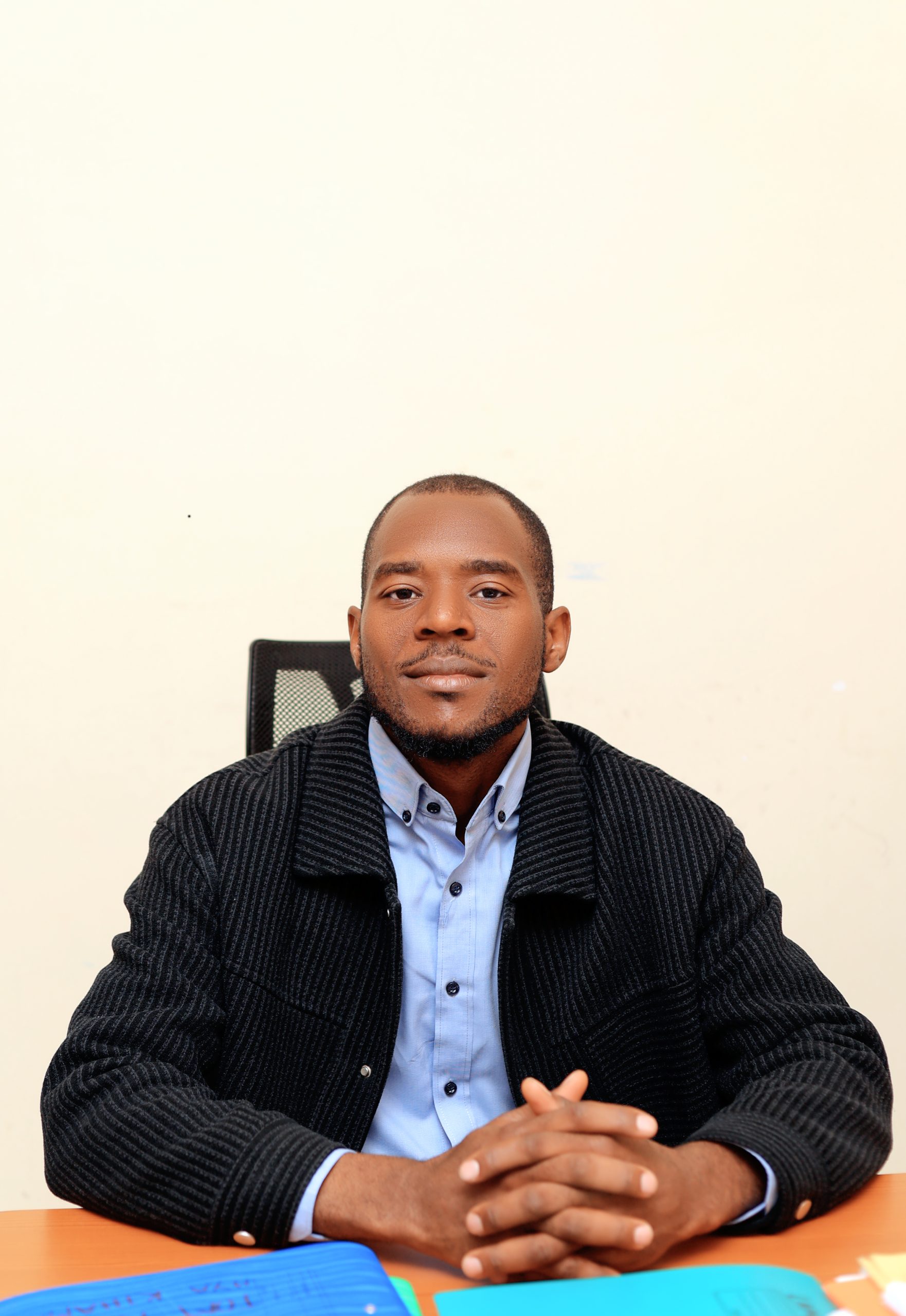
Our secretariat is the operational heart of the organization, ensuring efficient service delivery, strong member engagement, and transparent management of all activities.
Our
TEAM & NETWORKS

Our Board
Our Board
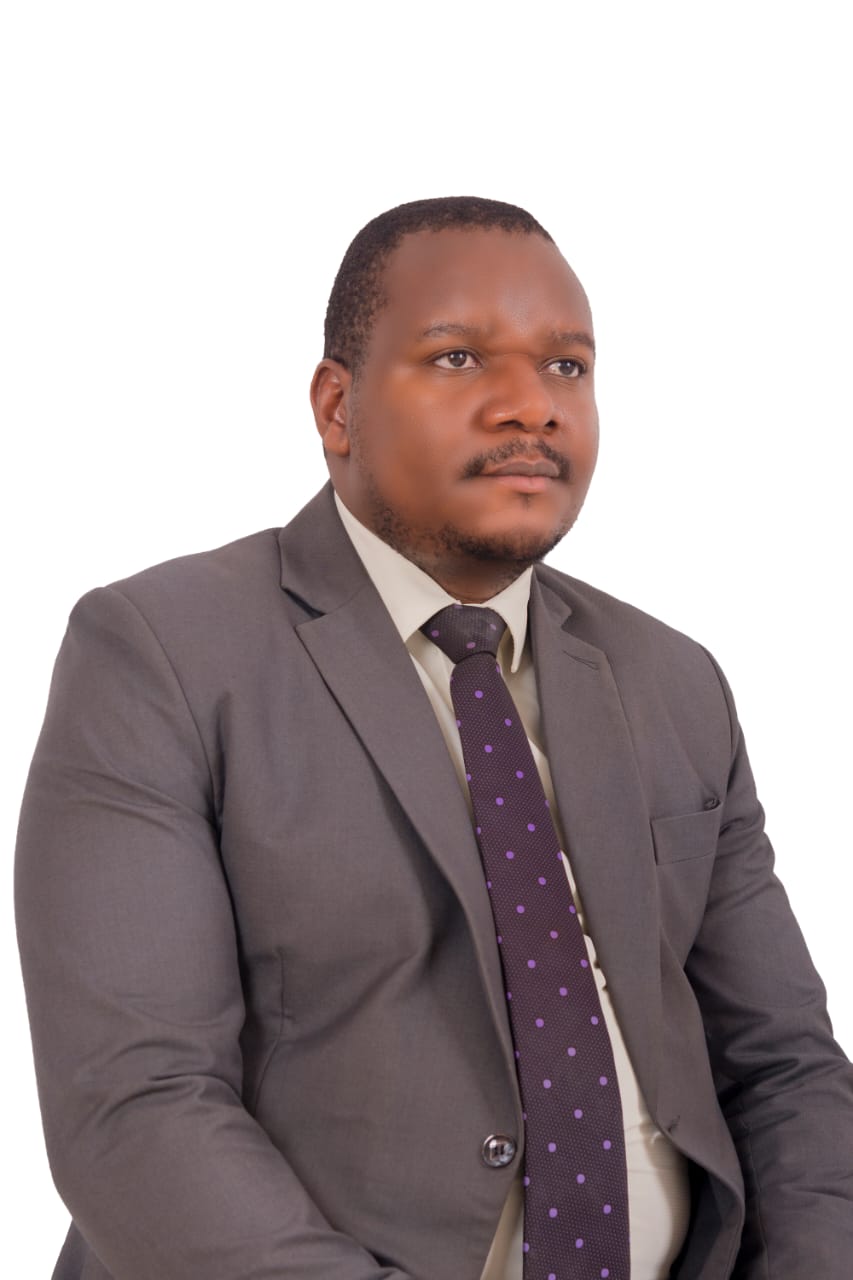
Our Board provides strategic leadership and oversight, ensuring sound governance, accountability, and sustainable growth while safeguarding the interests of our members

Our Advisors
Our Advisors
Our Advisors provide expert guidance and strategic insight, supporting informed decision-making, strengthening governance, and enhancing the organization’s growth and impact.
Our Partners

The registered trustees of Fort Portal Diocese
The Registered Trustees of Fort Portal Diocese serve as the legal custodians of the institution, providing overarching governance, ensuring accountability, and safeguarding assets in alignment with the Diocese’s mission and values
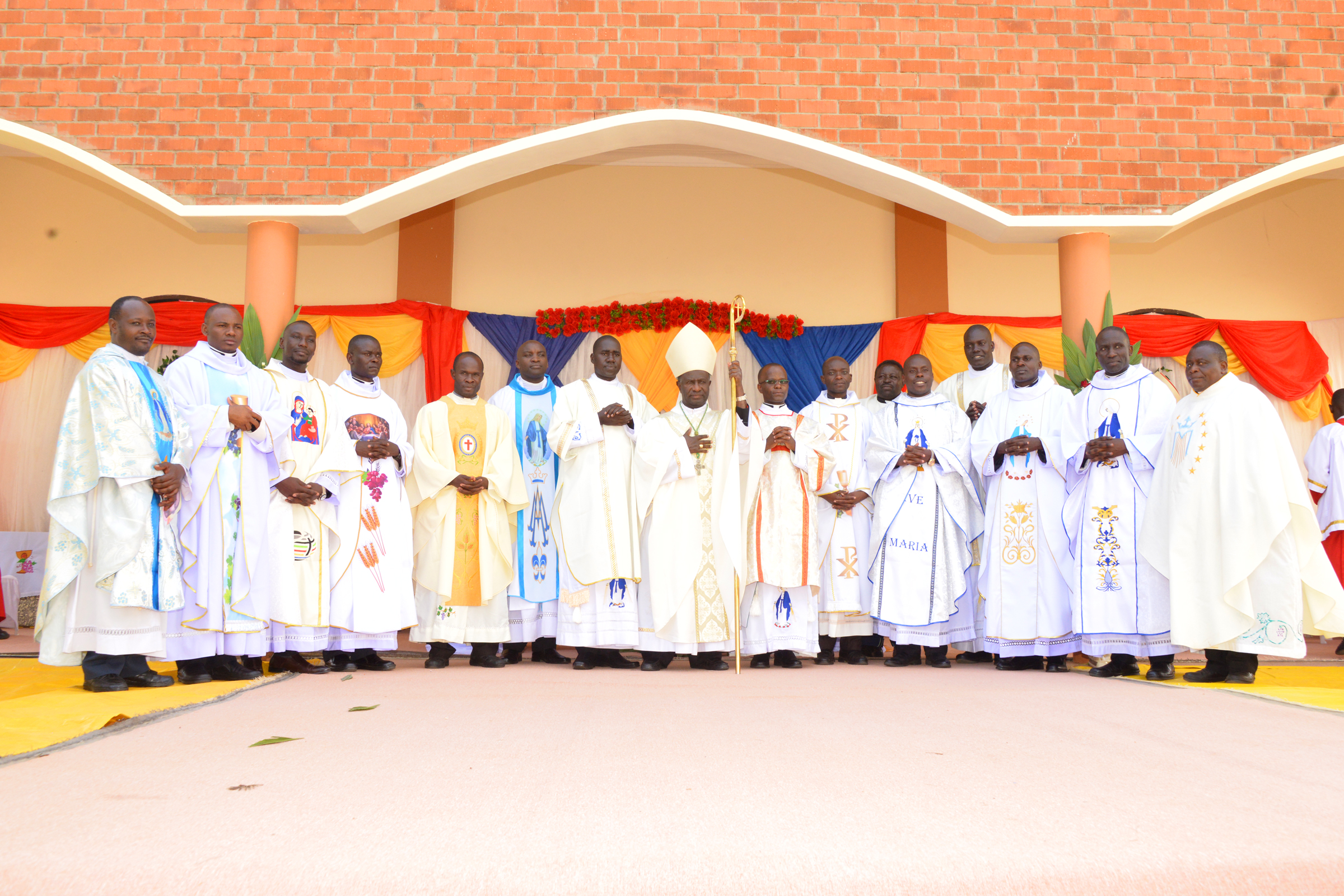
The Trustees engage professional legal services to ensure compliance with the law, safeguard institutional assets, and provide expert guidance on contracts, governance, and dispute resolution. As a law firm we also provide specialized legal expertise, and support the Trustees in managing legal risks and obligations effectively.